E Waste Computer Recycling in the UK
The UK generates millions of tonnes of electronic waste every year, making responsible disposal of old computers more important than ever. Whether you are a homeowner upgrading a laptop or a business replacing an entire IT infrastructure, proper e waste computer recycling helps protect the environment, recover valuable resources, and prevent sensitive information from falling into the wrong hands.
Computers contain materials such as plastics, steel, aluminium, copper, and precious metals that can be recovered and reused. However, they may also contain hazardous substances that require careful handling. Through certified computer recycling UK services, these devices can be safely processed while complying with environmental regulations.
This guide explains everything you need to know about e waste recycling UK, including WEEE regulations, secure data destruction, business IT disposal, and how to recycle old computers responsibly.
What Is E Waste Computer Recycling?
Definition of E-Waste
Electronic waste, commonly known as e-waste, refers to discarded electrical and electronic devices that have reached the end of their useful life. Computers, laptops, servers, monitors, printers, and accessories all fall under this category.
E waste computer recycling is the process of collecting, dismantling, refurbishing, and recycling old computer equipment to recover valuable materials while minimizing environmental harm.
What Devices Can Be Recycled?
Many types of IT equipment can be recycled, including:
- Desktop computers
- Laptops
- Monitors
- Servers
- Hard drives
- Printers
- Keyboards and mice
- Network equipment
- Computer accessories
Modern electronic waste recycling UK services are designed to handle a wide variety of devices safely and efficiently.
Difference Between Recycling and Disposal
Many people assume disposal and recycling are the same thing, but they are very different.
Traditional disposal often means sending equipment to landfill, where valuable materials are lost and harmful substances may affect the environment.
Recycling focuses on:
- Recovering reusable materials
- Refurbishing working devices
- Reducing landfill waste
- Conserving natural resources
- Supporting environmental sustainability
For both households and businesses, recycling is the preferred option over simple disposal.
Why Computer Recycling Is Important in the UK
Environmental Impact of E-Waste
Electronic waste is one of the fastest-growing waste streams worldwide. When computers are disposed of improperly, they can contribute to pollution and environmental degradation.
Responsible computer recycling UK services help:
- Reduce landfill use
- Minimize hazardous waste
- Lower carbon emissions
- Support sustainable waste management
Conserving Valuable Resources
Computers contain valuable materials that can be recovered and reused.
Examples include:
- Copper
- Gold
- Silver
- Aluminium
- Steel
- Rare earth elements
Through electronic waste recycling, these resources remain in circulation rather than being permanently lost.
Supporting Sustainability Goals
Businesses across the UK are increasingly focused on sustainability and environmental responsibility. Proper IT recycling UK practices contribute to corporate environmental goals while demonstrating a commitment to responsible waste management.
Understanding WEEE Recycling UK Regulations
What Is WEEE?
WEEE stands for Waste Electrical and Electronic Equipment.
The UK’s WEEE regulations were introduced to ensure that electronic products are collected, treated, and recycled responsibly at the end of their life cycle.
UK Legal Requirements
Both businesses and consumers have responsibilities regarding electronic waste disposal.
For businesses, compliance often involves:
- Using licensed recycling providers
- Maintaining disposal records
- Ensuring secure handling of data-bearing devices
Consumers are encouraged to use designated collection points and approved recycling services.
Penalties for Improper Disposal
Failure to follow WEEE requirements may lead to regulatory issues and environmental risks.
Using certified WEEE recycling UK providers helps organizations maintain compliance while ensuring proper processing of equipment.
How the Computer Recycling Process Works
Collection and Transportation
The recycling journey begins with the collection of unwanted IT equipment from homes, offices, schools, and other facilities.
Professional computer recycling services UK often provide secure transportation to authorized processing facilities.
Data Removal and Secure Data Destruction
Data security is a critical part of the recycling process.
Before recycling begins, devices undergo:
- Data wiping
- Hard drive destruction
- Secure erasure procedures
These measures help protect confidential information.
Equipment Assessment
Devices are inspected to determine whether they can be:
- Reused
- Refurbished
- Repaired
- Recycled
Reusable equipment may be restored and returned to service.
Refurbishment and Reuse
Extending the life of computers through refurbishment reduces waste and maximizes resource efficiency.
Material Recovery and Recycling
Equipment that cannot be reused is dismantled, and materials are separated for recovery.
Recovered materials may include:
- Metals
- Plastics
- Circuit boards
- Glass
Final Processing
The recovered materials are processed and reintroduced into manufacturing supply chains, supporting a circular economy.
Secure Data Destruction Before Computer Recycling
Why Data Security Matters
Computers often contain sensitive information such as:
- Customer records
- Financial documents
- Employee information
- Business data
Improper disposal can expose organizations to serious security risks.
GDPR and Business Compliance
Businesses must protect personal data throughout the disposal process.
Using providers that offer secure data destruction services helps organizations maintain compliance and reduce risk.
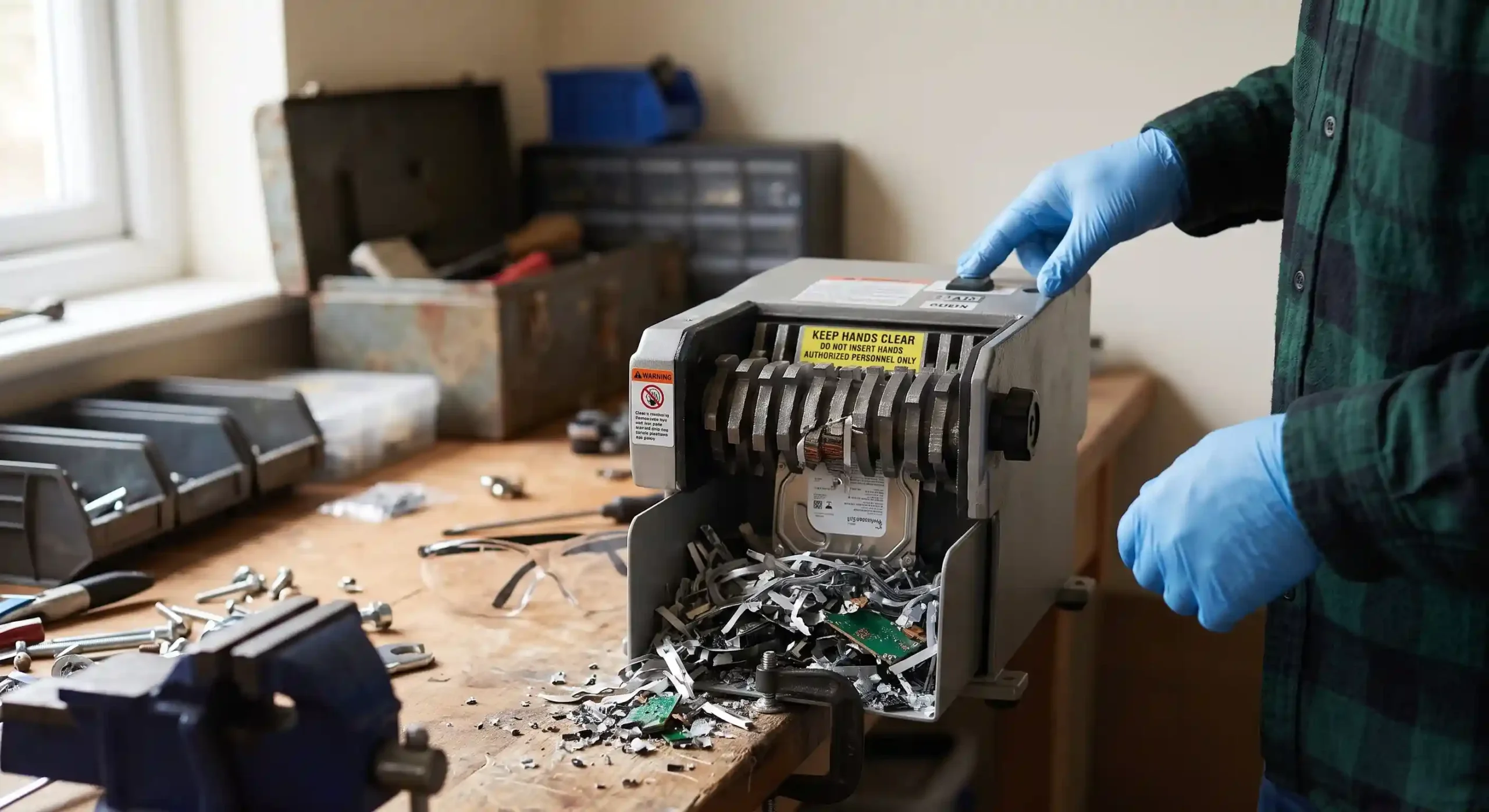
Hard Drive Shredding
Physical destruction is one of the most secure methods of preventing data recovery.
Hard drive shredding ensures stored information cannot be accessed after disposal.
Certified Data Wiping Methods
Modern data wiping software permanently removes information from storage devices while allowing hardware to be reused when appropriate.
Certificates of Destruction
Many certified recyclers provide documentation confirming secure destruction of data-bearing devices.
This is particularly valuable for businesses that require audit trails.
Benefits of E Waste Computer Recycling
Environmental Benefits
Responsible recycling helps:
- Reduce landfill waste
- Lower pollution
- Conserve natural resources
- Support environmental sustainability
Financial Benefits
Organizations may reduce disposal costs while recovering value from reusable equipment.
Data Security Benefits
Professional recycling providers implement secure disposal procedures that protect sensitive information.
Regulatory Compliance Benefits
Certified computer disposal UK services help businesses comply with WEEE and data protection requirements.
Corporate Sustainability Benefits
Demonstrating environmentally responsible disposal practices can strengthen a company’s sustainability strategy and reputation.
Business Computer Recycling and IT Asset Disposal
What Is IT Asset Disposal (ITAD)?
IT asset disposal UK refers to the secure and environmentally responsible management of retired IT equipment.
ITAD services often include:
- Asset collection
- Data destruction
- Equipment auditing
- Recycling
- Refurbishment
Benefits for Businesses
Professional business computer recycling services help organizations:
- Protect sensitive data
- Meet compliance requirements
- Reduce environmental impact
- Improve sustainability reporting
Bulk Computer Recycling
Many organizations periodically replace large quantities of IT equipment.
Bulk recycling programs provide efficient disposal solutions for:
- Offices
- Schools
- Government agencies
- Healthcare facilities
Office Equipment Disposal
Office environments often generate significant amounts of electronic waste, making structured disposal programs essential.
End-of-Life IT Asset Management
Proper end-of-life planning ensures assets are disposed of securely while maximizing resource recovery.
Laptop Recycling UK and Other IT Equipment Recycling
Laptop Recycling Process
Laptop recycling UK services typically involve:
- Device collection
- Data removal
- Testing and refurbishment
- Material recovery
Server Recycling
Servers contain valuable materials and often require specialist recycling procedures.
Monitor Recycling
Modern recycling processes recover glass, plastics, and metals from monitors.
Mobile Device Recycling
Businesses increasingly recycle smartphones and tablets alongside traditional computer equipment.
Peripheral and Accessory Recycling
Items such as keyboards, mice, cables, and networking equipment can also be recycled through approved IT equipment recycling programs.
How to Recycle Old Computers Responsibly
Preparing Your Device
Before recycling:
- Remove personal files
- Back up important data
- Sign out of accounts
- Remove connected devices
Backing Up Important Data
Store essential information on secure cloud storage or external drives before disposal.
Removing Personal Information
Perform a factory reset or professional data wipe to protect privacy.
Choosing an Approved Recycler
Always select a licensed and reputable recycling provider with experience in secure computer disposal.
Requesting Recycling Documentation
Businesses should obtain documentation confirming:
- Collection
- Processing
- Data destruction
- Compliance
How to Choose a Reliable Computer Recycling Company
Industry Certifications
Look for providers that maintain recognized industry certifications and environmental standards.
Data Security Standards
Verify that secure data destruction procedures are part of the service offering.
Environmental Compliance
Choose recyclers committed to WEEE compliance and sustainable recycling practices.
Collection Services
Convenient collection options can simplify the disposal process.
Customer Reviews and Reputation
Research reviews, case studies, and customer feedback before selecting a provider.
For organizations seeking professional support, companies such as X Recycling provide specialist services focused on responsible electronic waste management and secure IT disposal.
Common Mistakes to Avoid When Disposing of Computers
Throwing Electronics in Household Waste
Computers should never be placed in general waste bins.
Forgetting to Wipe Data
Failure to erase information creates unnecessary security risks.
Using Unlicensed Recyclers
Always verify that your chosen provider follows proper environmental and security standards.
Ignoring WEEE Regulations
Compliance requirements apply to many organizations handling electronic waste.
Missing Asset Tracking Records
Businesses should maintain records throughout the disposal process.
Future Trends in Electronic Waste Recycling
Circular Economy Initiatives
The UK continues to promote circular economy strategies that prioritize reuse and recycling.
Increased Electronic Waste Volumes
Growing technology adoption is expected to increase electronic waste generation in the coming years.
AI and Automated Recycling Technologies
Advanced sorting and recycling technologies are improving material recovery rates.
Sustainable IT Asset Management
Organizations are increasingly integrating sustainability into IT lifecycle management strategies.
Frequently Asked Questions
What is e waste computer recycling?
E waste computer recycling is the process of collecting, refurbishing, dismantling, and recycling old computers and related IT equipment to recover materials and reduce environmental impact.
Can old computers be recycled in the UK?
Yes. Most computers, laptops, monitors, and accessories can be recycled through approved recycling facilities and licensed providers.
How do I dispose of a computer safely?
Back up your data, securely erase sensitive information, and use a certified recycling service.
Is computer recycling free in the UK?
Some local authorities and retailers offer free recycling options, while specialist services may charge depending on collection requirements.
What happens to recycled computers?
Devices are assessed for reuse, refurbishment, or material recovery. Valuable materials are extracted and reintroduced into manufacturing processes.
How do businesses recycle old IT equipment?
Businesses typically use professional IT asset disposal UK providers that offer collection, secure data destruction, and recycling services.
What is WEEE recycling?
WEEE recycling refers to the collection and treatment of waste electrical and electronic equipment under UK regulations.
How is data destroyed during computer recycling?
Methods include certified data wiping, degaussing, and physical hard drive destruction.
Are laptops considered electronic waste?
Yes. Laptops are classified as electronic waste and should be recycled responsibly.
What is IT asset disposal?
IT asset disposal is the secure management and recycling of retired business technology equipment.
Conclusion
As the volume of electronic waste continues to grow, responsible e waste computer recycling has become essential for both individuals and businesses across the UK. Proper recycling protects the environment, conserves valuable resources, supports regulatory compliance, and ensures sensitive data remains secure.
Whether you need computer recycling UK services for a single device or a complete business computer recycling solution, choosing a certified provider helps ensure equipment is handled responsibly. By following WEEE regulations and adopting secure disposal practices, organizations and households can contribute to a more sustainable future while reducing the risks associated with electronic waste.