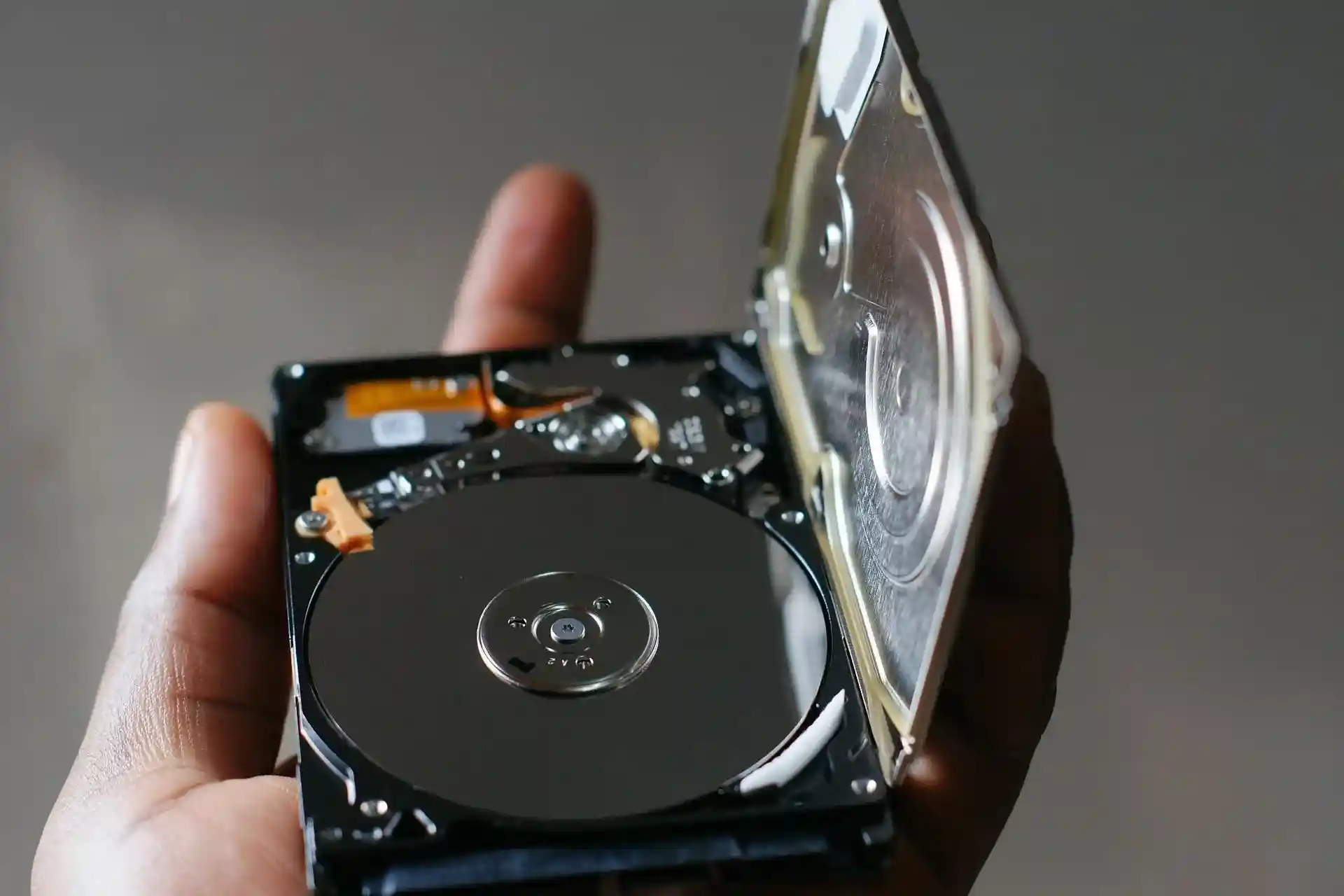
How to Destroy a Hard Drive Properly
If an old hard drive still contains personal, financial, customer, employee or business information, simply throwing it away is not a sensible way to protect that data. How to destroy a hard drive properly depends on what you need to achieve: secure data removal for reuse, or permanent physical destruction when the device is no longer required.
For businesses, the process also needs to consider secure handling, records, responsible recycling and applicable UK data-protection and waste requirements. The Information Commissioner’s Office (ICO) and UK legislation emphasise responsible handling and appropriate disposal of personal information, while the UK’s WEEE framework governs the treatment of electrical and electronic waste.
This guide explains the main approaches to hard drive destruction, secure data wiping, shredding and disposal, and what UK businesses should consider before sending storage devices for recycling.
What Does It Mean to Destroy a Hard Drive Properly?
To destroy a hard drive properly means ensuring that the information stored on it can no longer be accessed in a way that creates an unacceptable security risk, while also dealing with the physical device responsibly.
There is an important difference between destroying a hard drive and simply deleting files.
Deleting individual files normally does not mean the storage device has been physically destroyed. Similarly, formatting is not automatically the same as a professionally verified data-sanitisation process.
The correct approach depends on what happens to the device next.
If the drive is going to be reused, a suitable data wiping process may be preferable because the hardware can remain functional.
If the drive is being permanently retired and contains sensitive information, physical hard drive destruction may be more appropriate.
For businesses, the process should ideally include asset identification, secure handling, appropriate destruction or wiping, verification and documentation.
Why Is Hard Drive Destruction Important?
Old storage devices can contain much more information than people remember.
A hard drive may have held:
- Customer records
- Employee information
- Financial documents
- Emails
- Password-related information
- Business contracts
- Photographs
- Scanned documents
- System backups
- Databases
- Confidential business files
When equipment reaches the end of its useful life, the information stored on it does not automatically become irrelevant.
UK data-protection principles include requirements around the retention and handling of personal data. The UK GDPR’s storage-limitation principle states that personal data should not be kept in identifiable form for longer than necessary, subject to applicable exceptions.
That is why secure data destruction should form part of a wider IT asset disposal process.
Can Deleted Data Be Recovered From a Hard Drive?
Deleting a file is not necessarily equivalent to securely sanitising the entire storage device.
The outcome depends on the operating system, storage technology, deletion method and subsequent use of the device.
For businesses handling confidential information, relying on an ordinary delete command alone can therefore create unnecessary uncertainty.
A documented data-wiping process can provide a more controlled approach where equipment is suitable for reuse. When the drive is not intended for reuse, physical destruction can provide a different level of assurance.
Does Formatting a Hard Drive Erase Data?
Formatting should not automatically be treated as a complete data-destruction solution.
There are different types of formatting and different storage technologies. The result can vary depending on how the operation is performed and what the organisation’s security requirements are.
For this reason, businesses should select a recognised sanitisation or destruction process rather than assuming that a basic format has solved the problem.
How to Destroy a Hard Drive Securely
There is no single method that is appropriate for every situation.
The main approaches include:
- Secure data wiping
- Physical destruction
- Hard drive shredding
- Degaussing for suitable magnetic media
- Controlled collection and recycling
The right choice depends on whether the device will be reused, the sensitivity of the information, the type of storage media and the organisation’s requirements.
For businesses, professional services can also provide tracking and documentation. X Recycling, for example, offers both hard drive shredding and data-wiping services across the UK.
Secure Data Wiping
Secure data wiping is designed for situations where the storage device may remain in use.
Instead of physically destroying the hardware, an appropriate software-based process removes the stored information and can allow the equipment to be reused, refurbished or resold.
A professional process can also include:
- Device identification
- Secure collection
- Asset logging
- Data erasure
- Verification
- Reporting
- Documentation
Recycling states that its data-wiping service uses certified software and provides verification and documentation for processed equipment.
This can make secure hard drive wiping a useful option when preserving the value of the hardware matters.
Physical Hard Drive Destruction
Physical destruction is different from data wiping.
Instead of attempting to erase the information while preserving the device, the physical storage media is destroyed so that the original device cannot continue to function as a storage device.
For businesses with drives that are permanently leaving their IT estate, this can be an appropriate part of an end-of-life data-destruction process.
DIY attempts can also create unnecessary physical risks. Rather than using improvised tools or hazardous methods, businesses should consider a controlled professional destruction service when security and documentation are important.
Hard Drive Shredding
Hard drive shredding physically breaks storage devices into small pieces using specialist equipment.
Professional shredding can be used for HDDs and other data-bearing devices, depending on the provider’s capabilities.
X Recycling provides hard drive shredding services for businesses and organisations across the UK and states that its service covers desktop, laptop, server, RAID and removable hard drives. It also offers on-site and off-site options and provides certificates and audit documentation.
This makes shredding particularly relevant when a business needs both permanent physical destruction and a documented disposal process.
Hard Drive Destruction vs Data Wiping
The choice between hard drive destruction vs data wiping usually comes down to what happens to the device after the data has been dealt with.
| Method | Hardware preserved? | Suitable for reuse? | Physical destruction? |
| Data wiping | Yes | Yes | No |
| Physical destruction | No | No | Yes |
| Hard drive shredding | No | No | Yes |
| Degaussing | Usually no longer suitable for normal use | Generally not the goal | Not necessarily |
If a business wants to recover value from working equipment, secure wiping may make sense.
If the equipment has reached the end of its useful life and the priority is permanent destruction, physical destruction may be more appropriate.
The key is to choose the process before the equipment enters the disposal chain.
When Is Secure Wiping Appropriate?
Secure wiping can be appropriate when:
- The equipment is still functional
- The business intends to reuse it
- The equipment may be refurbished
- The organisation wants to retain residual asset value
- The storage technology is suitable for the selected wiping process
Professional data wiping can also create an audit trail.Recycling states that its process includes asset logging, wiping, verification reports and certificates.
When Is Physical Destruction Appropriate?
Physical destruction may be appropriate when:
- A device has reached end of life
- The hardware is not suitable for reuse
- The organisation requires permanent physical destruction
- Sensitive information requires a destruction-based disposal route
- The business needs documented destruction
The decision should be based on the organisation’s data-security requirements rather than simply choosing the most aggressive-looking method.
How to Dispose of a Hard Drive in the UK
Hard drive disposal UK involves two separate considerations: protecting the information and responsibly managing the physical equipment.
A hard drive should not simply be treated like ordinary household rubbish.
Electrical and electronic equipment falls within the UK’s WEEE framework, which is designed to encourage recovery, reuse and recycling and reduce electrical waste going to landfill or incineration.
For businesses, waste also needs to be appropriately classified before collection, disposal or recovery. GOV.UK guidance explains that WEEE classification helps determine whether waste is hazardous and which controls apply to its movement.
A responsible process can therefore look like:
Identify → secure → wipe or destroy → document → recycle
This approach connects data security with responsible environmental management.
Can You Put an Old Hard Drive in General Waste?
Businesses should not assume that an old hard drive belongs in general waste.
Hard drives are electronic components and may form part of the wider WEEE disposal stream. UK WEEE rules are designed to promote recovery, reuse and recycling of electrical and electronic equipment.
For business equipment, use an appropriate waste and IT asset disposal route rather than placing data-bearing devices into an uncontrolled waste stream.
Hard Drive Disposal and Recycling
Hard drive recycling UK services can combine secure data treatment with responsible recycling.
Once the data-security stage has been completed, the physical materials can enter an appropriate recycling process.
X Recycling states that shredded hard drives are responsibly recycled after destruction, helping organisations combine secure data disposal with environmental responsibility.
UK GDPR and Hard Drive Disposal
GDPR hard drive disposal is often discussed by businesses because storage devices can contain personal information.
However, it is important not to oversimplify the law by saying that UK GDPR automatically requires every hard drive to be physically destroyed.
The appropriate disposal method depends on the circumstances, the data involved, the organisation’s responsibilities and whether the equipment is being reused or permanently retired.
The UK GDPR includes the principle that personal data should be kept only for as long as necessary, subject to applicable circumstances and exceptions.
Businesses should therefore have suitable processes for:
- Data retention
- Secure disposal
- Access control
- Asset management
- Data sanitisation
- Destruction records
- Third-party supplier management
Data Protection Responsibilities
A secure disposal process should consider what happens to information from the moment equipment leaves its normal working environment.
For example, a business may need to know:
- Which device was removed?
- Who handled it?
- Where was it transported?
- Was the data wiped or physically destroyed?
- When was the process completed?
- What evidence was produced?
- Where did the resulting waste go?
This is where chain of custody hard drive procedures become useful.
A controlled chain of custody creates a record of how data-bearing equipment was handled throughout the disposal process.
Keeping Evidence of Data Destruction
For businesses, a certificate of destruction hard drive process can provide useful evidence that a device was processed.
X Recycling states that its certificates document information such as destruction date, method, asset type and quantity.
Documentation can be valuable for:
- Internal audits
- Asset-management records
- Compliance processes
- Supplier management
- Business governance
- Demonstrating responsible disposal
A certificate should support a genuine destruction process rather than being treated as a substitute for secure handling.
WEEE and Hard Drive Recycling in the UK
The WEEE hard drive disposal process is part of the broader UK approach to electrical and electronic waste.
The WEEE Regulations 2013, as amended, provide the underlying UK framework and aim to encourage recovery, reuse and recycling of electrical and electronic equipment.
GOV.UK also identifies USB memory sticks and drives among equipment covered by the WEEE framework.
For organisations disposing of larger quantities of IT equipment, choosing an appropriate recycling and disposal partner can help ensure that equipment is handled through an organised process.
The goal should not simply be to destroy a hard drive and forget about the hardware. The data-security stage and the environmental disposal stage should work together.
HDD vs SSD: Are They Destroyed in the Same Way?
Not necessarily.
Traditional HDDs and SSDs use different storage technologies.
A hard disk drive uses magnetic storage, while an SSD uses flash memory. As a result, processes designed for one type of storage should not automatically be assumed to be appropriate for another.
Traditional HDD Destruction
Hard disk destruction can involve professional shredding or another controlled physical destruction process.
For businesses retiring HDDs that contain sensitive information, specialist destruction can provide a clear end-of-life route.
pecifically offers HDD shredding for desktop, laptop, server, RAID and removable drives.
SSD and Flash Storage Destruction
SSDs require their own consideration because they do not store information in the same way as traditional magnetic hard drives.
A business should therefore avoid assuming that an HDD-focused process automatically provides the same outcome for an SSD.
also lists SSD shredding among its data-destruction services, providing an option for organisations handling mixed storage media.
When dealing with large numbers of devices, identify the storage type during asset assessment and choose an appropriate sanitisation or destruction process.
DIY Hard Drive Destruction vs Professional Services
Searching for how to destroy a hard drive often leads people towards DIY suggestions.
For an individual dealing with a non-sensitive personal device, the disposal decision may appear straightforward. Business environments are different.
Improvised physical destruction can create risks involving sharp fragments, tools, dust and damaged electronic components. It can also leave businesses without reliable evidence of what happened to the device.
Professional hard drive destruction services can provide a controlled alternative.
A professional service may include:
- Secure collection
- Asset identification
- Chain-of-custody tracking
- Controlled destruction
- Verification
- Certificate of destruction
- Responsible recycling
When Professional Destruction May Be Appropriate
Professional hard drive destruction can be especially relevant for:
- Offices
- IT departments
- Data centres
- Financial organisations
- Healthcare organisations
- Educational institutions
- Public-sector organisations
- Retail businesses
- E-commerce companies
- Professional services firms
states that it provides secure data shredding and IT recycling services for businesses and organisations across the UK.
Benefits of Documented Destruction
The biggest difference between an informal disposal process and professional destruction is often documentation.
A business can benefit from knowing:
- What assets were processed
- When they were processed
- Which method was used
- Who handled them
- What happened to the resulting material
- What documentation was issued
That information can make asset management and internal governance much easier.
How to Choose a Hard Drive Destruction Service in the UK
When comparing hard drive destruction UK providers, do not look only at the price.
Consider the entire process.
Secure Collection
Find out how the provider collects data-bearing devices.
Ask whether equipment is logged, tracked and securely transported.
Chain of Custody
A reliable disposal process should make it clear how equipment is controlled from collection through to destruction.
This is particularly important for businesses handling sensitive customer, employee or operational information.
Certificate of Destruction
Ask whether the provider issues a certificate of destruction and what information it contains.
A useful certificate can form part of your internal asset and compliance records.
X Recycling states that its Certificate of Destruction service provides documentation covering the destruction date, method, asset type and quantity.
Recycling After Destruction
Data security should not mean ignoring environmental responsibility.
Ask what happens to the material after hard drive shredding or other physical destruction.
A responsible provider should have a clear route for appropriate recycling and waste management.
On-Site or Off-Site Service
Some businesses may prefer on-site destruction because it allows them to observe the process at their premises.
Others may prefer a secure off-site facility.
offers both on-site and off-site HDD shredding options.
Need Secure Hard Drive Destruction Across the UK?
If your business has old HDDs, SSDs, servers or other data-bearing devices waiting for disposal, X Recycling can help you arrange a controlled data-destruction and recycling process.
Request a free quote from X Recycling to discuss your equipment, collection requirements and preferred destruction service.
Hard Drive Destruction FAQs
What Is the Safest Way to Destroy a Hard Drive?
For business equipment containing sensitive information, the appropriate method depends on whether the device needs to be reused. Secure data wiping can be suitable for reusable equipment, while professional physical destruction can be appropriate for devices being permanently retired.
How Do You Permanently Destroy a Hard Drive?
Permanent destruction normally involves a controlled physical destruction process that prevents the original storage device from being used as a functioning data-storage device. For businesses, professional hard drive shredding can also provide documentation of the destruction process.
How Should Businesses Dispose of Hard Drives in the UK?
Businesses should separate data security from physical waste management. First determine whether the data should be securely wiped or the device physically destroyed. Then ensure the resulting electronic waste enters an appropriate recycling or disposal route. UK WEEE rules provide the wider framework for electrical and electronic waste.
Is Hard Drive Shredding Secure?
Professional hard drive shredding physically destroys the storage media. The security of the overall process also depends on collection, handling, tracking and verification. A documented service can therefore provide more assurance than an uncontrolled disposal process.
Can a Hard Drive Be Recycled After Destruction?
Yes. Physical destruction and recycling are separate stages. Once a hard drive has been securely destroyed, the resulting material can enter an appropriate recycling process. Recycling states that shredded hard drives are responsibly recycled after destruction.
Does UK GDPR Apply to Old Hard Drives?
UK GDPR can be relevant when old storage devices contain personal data. However, it does not mean that every hard drive must automatically be physically destroyed. Organisations need appropriate processes for retention, secure disposal and protection of personal information.
What Is a Certificate of Destruction for a Hard Drive?
A certificate of destruction hard drive document provides evidence that a specified destruction process has been completed. Depending on the provider, it may record information such as the date, destruction method, device type and quantity. states that its certificates provide this type of documentation.
How Does Hard Drive Shredding Work?
Professional shredding uses specialist equipment to physically break data-bearing devices into smaller pieces. The process is controlled and followed by appropriate material handling and recycling. describes its HDD service as a collection and assessment stage followed by physical shredding and certification/reporting.
Can You Securely Wipe a Hard Drive Instead of Destroying It?
Yes, where the equipment and circumstances make secure wiping appropriate. Wiping can allow a functioning device to be reused, refurbished or resold. provides data-wiping services for hard drives, SSDs and other IT equipment.
How Should SSDs Be Securely Destroyed?
SSDs use different storage technology from traditional HDDs, so the chosen sanitisation or destruction process should be appropriate for flash storage. For devices being permanently retired, specialist SSD destruction or shredding can be considered.
Is Drilling a Hard Drive Enough to Destroy the Data?
A single DIY physical action should not automatically be treated as a verified data-destruction process. The outcome depends on the storage technology, the extent of damage and the security requirements. Businesses that require documented destruction should use a controlled professional process rather than relying on an improvised method.
Conclusion
Knowing how to destroy a hard drive properly is about more than getting rid of an old piece of computer hardware.
The right process should protect the information first, then deal responsibly with the physical device.
For equipment that will be reused, secure data wiping may be appropriate. For drives being permanently retired, professional physical destruction or hard drive shredding can provide a stronger end-of-life route. Businesses should also consider asset tracking, chain of custody, documentation and responsible recycling.
In the UK, hard drive disposal also needs to be considered alongside the wider WEEE framework and applicable data-protection responsibilities.
If your organisation needs secure hard drive disposal UK, hard drive shredding UK, data wiping or documented destruction, working with an experienced provider can simplify the process.
Get Your Hard Drives Securely Destroyed
X Recycling provides data shredding, HDD shredding, SSD shredding, data wiping, certificates of destruction and WEEE recycling services for businesses across the UK.
Request a free quote and discuss your hard drive disposal requirements with the X Recycling team.
X Recycling
Address: 46B, Jellicoe Road, Leicester, LE5 4FN, United Kingdom
Phone: 02034757578
Email: info@xrecycling.co.uk
Hours: Monday–Friday, 9:00 AM–5:00 PM