CCTV Recycling UK & Data Destruction | Secure Disposal
When a CCTV system reaches the end of its useful life, simply removing the cameras is not enough. Modern surveillance systems can include cameras, DVRs, NVRs, hard drives, SSD storage, monitors and other electronic components. Some of these devices may also contain recorded footage or configuration data that needs to be handled securely.
For businesses replacing an outdated security system, the disposal process should therefore cover both data security and responsible recycling. Old equipment needs to be assessed, data-bearing devices need appropriate treatment, and electrical equipment should be directed towards suitable reuse or recycling routes.
CCTV Recycling UK services can help organisations manage these requirements through a structured process covering collection, asset identification, data destruction and responsible recycling.
This guide explains how businesses can approach the end-of-life management of surveillance equipment, what happens to stored data, how DVRs and NVRs should be handled, and what to consider when choosing a specialist recycling provider.
What Is CCTV Recycling?
CCTV recycling is the process of collecting unwanted surveillance equipment and directing it towards reuse, refurbishment or appropriate recycling.
A typical security installation can contain much more than cameras. Depending on the site, equipment may include recording units, storage devices, monitors, control systems, access control equipment and other electronics.
When equipment is no longer required, businesses should consider:
- Whether the equipment contains stored information
- Whether any footage needs to be retained
- Whether the hardware can be reused
- Whether storage media needs sanitisation or destruction
- How electronic components will be recycled
- What records should be retained about the disposal
A professional service can bring these stages together rather than treating each item as ordinary electronic waste.
What CCTV Equipment Can Be Recycled?
The equipment handled during a project depends on the installation and its condition. Common items include:
- CCTV cameras
- IP cameras
- Analogue cameras
- DVRs
- NVRs
- Hard drives
- SSD storage
- Monitors
- Control units
- Access control equipment
- Alarm panels
- Sensors
- Other security electronics
Some working equipment may have potential for reuse or refurbishment. Equipment that has reached the end of its useful life can instead be processed through an appropriate recycling route.
Cameras, Recorders and Storage Devices
A camera may not necessarily hold recorded footage itself. In many systems, recording takes place on a DVR, NVR, server or dedicated storage device.
This distinction matters during disposal.
Removing cameras while overlooking the recorder could leave stored footage on a device that is subsequently sent for recycling. Businesses should therefore identify all components that may contain information before equipment leaves their control.
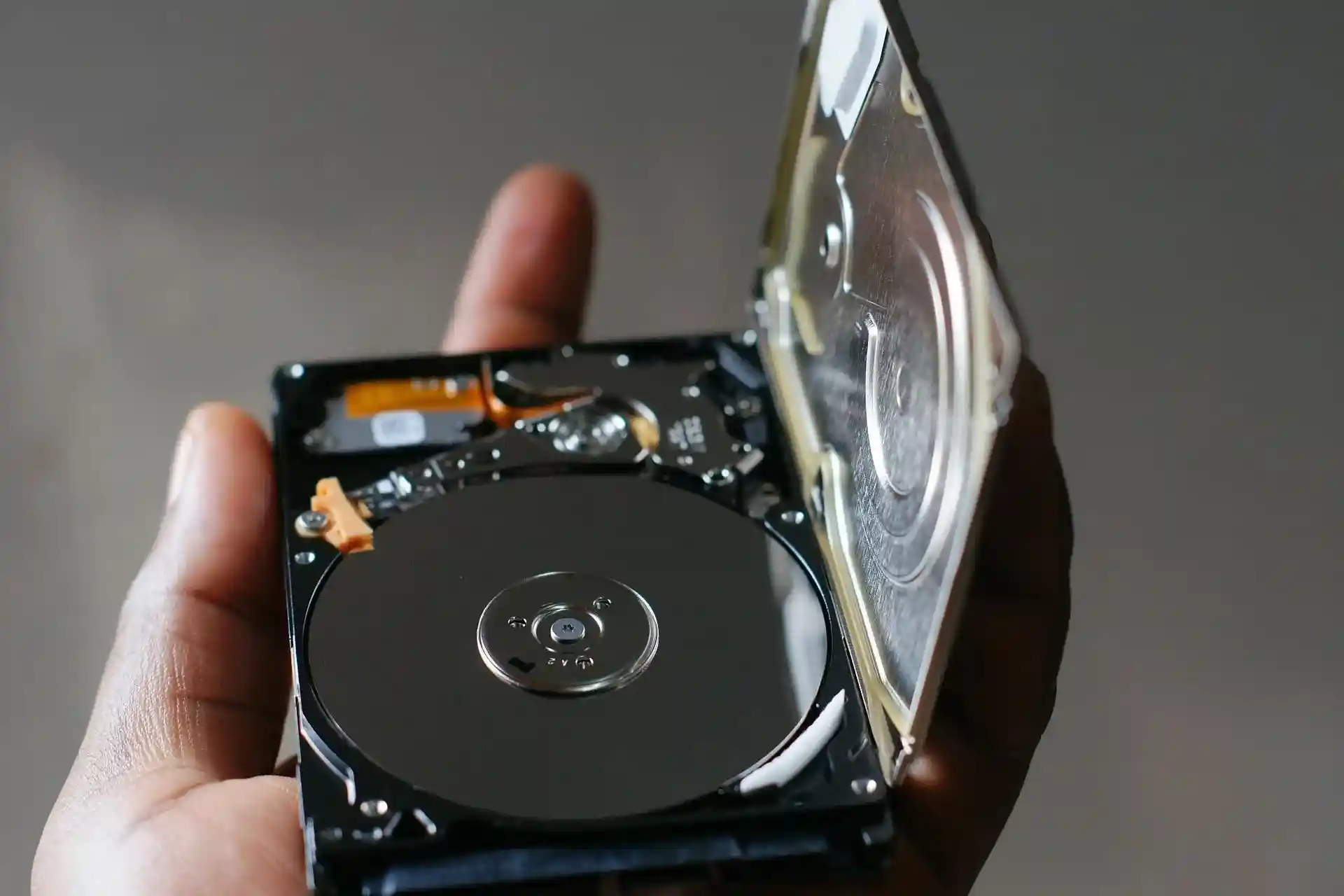
Hard Drives and CCTV Storage
Storage devices are one of the most important parts of a surveillance disposal project.
Depending on the system, CCTV footage can be stored on internal hard drives, removable storage or network-connected storage. Once a system is replaced, those devices should be reviewed before they are reused, recycled or destroyed.
The National Cyber Security Centre provides guidance on secure sanitisation and disposal of electronic storage media, with the objective of preventing unauthorised recovery of information.
Why Secure CCTV Disposal Matters
Old surveillance equipment can present two separate challenges: information security and electronic waste management.
A discarded recorder may contain historical footage, while other equipment can contain system settings or credentials. At the same time, electronic equipment should not simply be treated as general rubbish when appropriate recycling options are available.
For organisations, a well-managed disposal process can help create a clear separation between:
- Information that needs to be retained.
- Information that should be securely removed.
- Equipment that can potentially be reused.
- Equipment that needs recycling.
This approach is particularly relevant when businesses replace complete security systems rather than individual cameras.
What Are the Risks of Improper Disposal?
The risk depends on the type of equipment and the information it contains.
For example, a DVR or NVR containing a hard drive may retain recorded footage after the system has been disconnected. Simply unplugging the device does not necessarily remove the information stored on its drive.
The NCSC recommends that organisations consider secure sanitisation or destruction when storage media is being disposed of or leaving organisational control.
There is also an environmental consideration. Electrical and electronic equipment can contain recoverable materials and should be managed through suitable waste and recycling channels where applicable.
Protecting Recorded Footage
CCTV recordings can contain information relating to identifiable individuals. The Information Commissioner’s Office states that organisations using surveillance systems should keep recorded information secure and should not retain information for longer than necessary.
When a surveillance system is replaced, data management should therefore form part of the decommissioning plan.
CCTV Data Destruction Explained
CCTV data destruction refers to securely removing or destroying information stored on surveillance-related devices.
The appropriate method depends on the storage medium, the organisation’s requirements and whether the hardware will be reused.
Common approaches can include:
- Secure data erasure
- Data sanitisation
- Physical destruction of storage media
- Hard-drive shredding
- Other approved media-destruction processes
The important objective is to prevent unauthorised recovery of information.
What Information Can Be Stored?
Depending on the system, storage devices may contain:
- Video recordings
- Images
- Date and time information
- Camera configurations
- User accounts
- System logs
- Network settings
- Security configurations
Not every item of equipment will contain all of these types of information. The system design should be reviewed before disposal.
Hard Drive Destruction
Where storage media is not going to be reused, physical destruction can be an option.
Hard drive destruction UK services may involve specialist equipment designed to make storage media unusable and prevent normal recovery of information.
The correct process should be selected according to the organisation’s information-security requirements and the type of storage device.
Secure Data Erasure and Sanitisation
Physical destruction is not the only possible approach.
If equipment is suitable for reuse, secure erasure or sanitisation may be considered. The NCSC provides guidance on sanitising storage media so that information cannot be recovered by unauthorised parties.
This can be relevant when an organisation wants to maximise the reuse of working equipment while still addressing the information stored on it.
Certificates and Disposal Records
Businesses may also want evidence showing what happened to their data-bearing equipment.
Depending on the service, documentation can include asset records, destruction records, certificates and recycling reports.
X Recycling states that its CCTV service provides reporting and Data Destruction Certificates for data-bearing equipment.
How the CCTV Equipment Recycling Process Works
A structured disposal process can make a security-system replacement easier to manage.
1. Collection
The process begins with the collection of unwanted equipment from the customer’s premises.
Equipment should be prepared for transportation and separated where necessary so data-bearing devices can be identified and handled appropriately.
2. Asset Identification
Equipment can then be recorded and identified.
For larger projects, useful information may include:
- Manufacturer
- Model
- Serial number
- Equipment type
- Quantity
- Data-bearing status
Asset identification creates a clearer record of what has entered the disposal process.
3. Data Security Assessment
DVRs, NVRs, hard drives and other storage devices should be identified.
The appropriate treatment can then be determined according to the equipment and the organisation’s requirements.
4. Data Destruction or Sanitisation
Where required, storage media can undergo an appropriate destruction or sanitisation process.
The objective is to prevent the information from being accessible after disposal.
5. Reuse, Refurbishment or Recycling
Once data-security requirements have been addressed, equipment can be assessed for its next stage.
Working equipment may have reuse or refurbishment potential, while end-of-life electronics can be processed through suitable recycling routes.
6. Documentation
The final stage can include records covering assets, data processing and recycling.
For businesses, maintaining these records can provide useful evidence of how retired equipment was handled.
DVR Disposal and Recycling
DVRs are an important part of many older surveillance installations.
A DVR disposal project should take into account both the recorder itself and any internal storage.
A DVR can contain a hard drive holding recorded footage. Therefore, removing the unit from the premises does not automatically address the information stored inside it.
DVR Recycling
Working equipment may potentially be suitable for reuse, subject to condition and security requirements.
Where a DVR has reached the end of its useful life, it can be directed towards an appropriate electronic recycling process after its data-bearing components have been securely handled.
DVR Data Erasure
If a DVR is going to be reused, the storage media needs appropriate treatment before it changes ownership or leaves organisational control.
Secure erasure or another suitable sanitisation method may be considered depending on the storage device and security requirements.
NVR Disposal and Recycling
Modern IP surveillance systems commonly use Network Video Recorders to manage and store footage.
Like DVRs, NVRs can contain internal storage and therefore require consideration during system replacement.
NVR disposal should include identification of any storage devices and a review of whether the equipment is being reused or recycled.
NVR Data Destruction
Where an NVR contains a hard drive or other storage media, the stored information should be securely addressed before final disposal.
This can involve sanitisation, secure erasure or physical destruction depending on the circumstances.
NVR Recycling
After the data-security stage has been completed, the remaining electronic equipment can be assessed for reuse or recycling.
This helps businesses manage both the information-security and environmental aspects of their system replacement.
WEEE Recycling and Security Equipment
CCTV equipment forms part of the wider category of electrical and electronic equipment.
The UK government explains that the WEEE framework is intended to encourage the recovery, reuse and recycling of electrical and electronic equipment and reduce the amount of waste sent to landfill or incineration.
What Is WEEE?
WEEE stands for Waste Electrical and Electronic Equipment.
The category covers a broad range of electrical and electronic products, although whether particular equipment falls within the regulations depends on the equipment and relevant circumstances.
Businesses replacing surveillance systems should therefore consider the appropriate route for their unwanted electrical equipment.
Responsible Security Equipment Recycling
Security equipment recycling can help organisations manage unwanted cameras, recorders and associated electronics through a structured recovery process.
Where equipment remains suitable for reuse, refurbishment may be considered. End-of-life equipment can instead enter an appropriate recycling stream.
The goal is to avoid unnecessary waste while recovering usable materials where practical.
CCTV and Data Protection in the UK
Data protection is an important consideration when organisations operate surveillance systems.
The ICO explains that organisations using video surveillance need to consider the UK GDPR and Data Protection Act 2018 where personal data is processed. It also states that information should be kept secure and retained only for as long as necessary.
This means the end-of-life stage of a CCTV system should not be overlooked.
CCTV Footage and Personal Data
Recorded footage can contain images of individuals and may therefore constitute personal data.
Businesses should have procedures for deciding:
- Why footage is being retained
- How long it should be retained
- When it should be deleted
- How storage devices should be handled
- Who can access recorded information
Secure Disposal of Recorded Information
When footage is no longer required, it should be securely deleted in accordance with the organisation’s procedures.
Where storage media itself is being retired, businesses should also consider whether secure sanitisation or physical destruction is necessary.
Reviewing Retention During System Replacement
A CCTV upgrade provides a useful opportunity to review old footage and storage devices.
Before equipment is sent for recycling, businesses can identify information that needs to be retained for a legitimate reason and ensure other information is handled according to their retention and deletion procedures.
CCTV Decommissioning and Recycling
Replacing a surveillance system is often more complicated than removing cameras from walls.
A complete CCTV system decommissioning and recycling project can involve equipment identification, data management, physical removal, transportation and recycling.
Preparing Equipment for Decommissioning
Before removal, businesses should identify:
- Cameras
- DVRs
- NVRs
- Hard drives
- Storage devices
- Monitors
- Control equipment
- Access control equipment
- Other connected electronics
This inventory helps reduce the chance of equipment being overlooked.
Managing Data Before Disposal
Businesses should identify any footage or other information that needs to be retained.
Data that is no longer required can then be securely deleted, while storage devices leaving organisational control can be sanitised or destroyed as appropriate.
Removing and Recycling Equipment
Once the system has been decommissioned, the physical equipment can be collected and assessed.
Some items may have reuse potential. Others can be sent through suitable electronic recycling channels.
What Happens to CCTV Equipment After Collection?
A professional recycling service does not necessarily mean that every item is immediately destroyed.
The next step depends on the condition of the equipment and the applicable processing requirements.
Reuse and Refurbishment
Functional equipment may potentially be reused or refurbished.
However, data-bearing devices should be securely sanitised before they are reused or transferred.
This approach can help extend the useful life of equipment where appropriate.
Recycling and Material Recovery
Equipment that is no longer suitable for reuse can be processed for recycling.
Electronic components can contain materials that may be recovered through appropriate recycling processes.
Responsible electronic waste recycling UK services therefore consider both the environmental and security aspects of retired equipment.
CCTV Recycling for Businesses Across the UK
Businesses of different sizes may need to dispose of surveillance equipment.
A small office might have a few cameras and one recorder, while a warehouse, retail group or multi-site organisation may need to manage hundreds of assets.
A nationwide CCTV recycling service UK can be useful when equipment needs to be collected from multiple business locations.
Offices and Commercial Buildings
Office security systems can include cameras, recorders, monitors and access control equipment.
When a building is refurbished or its security infrastructure is upgraded, these items can be included within a planned asset-disposal project.
Retail and Warehousing
Retail stores and warehouses may operate larger surveillance systems with multiple recording devices and cameras.
For these projects, asset identification and documentation can help businesses maintain a clearer record of equipment throughout the process.
Schools, Healthcare and Other Organisations
Any organisation operating surveillance equipment should consider the information stored by its system when equipment reaches end of life.
The appropriate disposal process will depend on the organisation, equipment and information involved.
How to Choose a CCTV Recycling Company
Choosing a provider involves more than finding someone willing to collect old cameras.
Businesses should look at the complete disposal process.
Check Data Destruction Services
Ask how the provider handles:
- DVRs
- NVRs
- Hard drives
- SSDs
- Other data-bearing devices
Find out whether the service offers secure erasure, sanitisation or physical destruction and what documentation is available.
Ask About Asset Tracking
For larger projects, asset tracking can be important.
A provider should be able to explain how equipment is identified and recorded during collection and processing.
Understand the Recycling Process
Ask where equipment goes after collection and how items are assessed for reuse, refurbishment or recycling.
This helps businesses understand what happens to their equipment rather than treating disposal as an unknown process.
Review Documentation
Depending on the service, businesses may need:
- Asset reports
- Collection records
- Data destruction certificates
- Recycling reports
- Processing documentation
The appropriate records will depend on the organisation’s own requirements.
Why Use a Professional Security Equipment Disposal Service?
Managing surveillance equipment internally can involve several separate tasks.
A specialist service can potentially combine collection, asset management, data destruction and recycling into one coordinated process.
The main considerations include:
Information security: Data-bearing devices need appropriate treatment before disposal.
Traceability: Asset records can help businesses understand what equipment has been processed.
Recycling: End-of-life electronic equipment can be directed towards appropriate recycling channels.
Documentation: Certificates and reports can provide evidence of processing where required.
Convenience: A coordinated service can reduce the number of disposal arrangements a business needs to manage.
X Recycling describes its service as covering secure collection, equipment logging, data destruction, recycling and reporting for CCTV and security equipment.
Secure CCTV Disposal with X Recycling
If your business is replacing an existing surveillance system, X Recycling can help manage the end-of-life equipment as part of a structured recycling and data-destruction process.
The company’s published CCTV service covers equipment such as cameras, DVRs, NVRs, hard drives, access control systems, alarm panels, sensors and monitoring equipment. Its process includes collection, asset logging, assessment, data destruction and recycling.
Whether you are dealing with a small number of devices or a larger commercial project, the first step is to identify what equipment you have and whether any of it contains stored information.
Ready to clear your old surveillance equipment? Contact X Recycling to discuss your requirements and request a quote.
Frequently Asked Questions
How do you dispose of old CCTV cameras?
Old cameras should be assessed as electrical equipment and sent through an appropriate reuse or recycling route. If a camera contains storage or other information, that data should be securely addressed before disposal.
Can CCTV hard drives be recycled?
Yes. Hard drives can be recycled after the information stored on them has been appropriately sanitised or the media has been physically destroyed, depending on the disposal requirements.
How do you destroy CCTV footage?
Recorded footage can be securely deleted or the storage media can be sanitised or physically destroyed. The appropriate method depends on the storage technology and the organisation’s security requirements.
Can old CCTV footage be recovered?
If storage media has not been securely sanitised or destroyed, information may potentially remain recoverable. The NCSC provides guidance on secure sanitisation of electronic storage media.
Can DVRs and NVRs be recycled?
Yes. Both types of recorder can be processed through appropriate electronic recycling routes. Because they may contain storage devices, their data should be addressed before the equipment is reused or recycled.
Is CCTV equipment covered by WEEE recycling?
Electrical and electronic equipment can fall within the WEEE framework depending on the equipment and circumstances. GOV.UK provides guidance about the scope of the WEEE Regulations.
Does CCTV disposal need to consider GDPR?
Where CCTV footage contains personal data, organisations need to consider applicable data-protection requirements. The ICO provides guidance on security, retention and deletion of surveillance information.
Should CCTV hard drives be shredded?
Physical destruction can be appropriate when a storage device is not intended for reuse and the organisation’s security requirements call for destruction. Other situations may allow secure sanitisation instead.
What is the difference between CCTV recycling and disposal?
Disposal refers broadly to getting rid of unwanted equipment. Recycling focuses on recovering materials or components from electrical and electronic equipment. A professional service can manage disposal while directing suitable equipment towards reuse or recycling.
Can businesses arrange CCTV recycling across the UK?
Businesses can work with providers offering UK-wide collection and processing. The availability and terms of collection can depend on the equipment, quantity and location.
Conclusion
A CCTV system contains more than cameras. Recorders, storage devices, control equipment and other electronics can all form part of the end-of-life process.
For businesses replacing their surveillance infrastructure, responsible disposal means considering both information security and electronic recycling. Data stored on DVRs, NVRs and hard drives should be securely handled, while unwanted equipment should be assessed for reuse, refurbishment or appropriate recycling.
The ICO recommends keeping surveillance information secure and not retaining it for longer than necessary, while the NCSC provides guidance on secure sanitisation and disposal of storage media. UK WEEE guidance also supports appropriate recovery, reuse and recycling of electrical and electronic equipment.
CCTV Recycling UK can therefore be part of a wider asset-disposal strategy that combines secure data handling, traceability and responsible recycling.
If your organisation is replacing CCTV cameras, DVRs, NVRs or other security equipment, X Recycling can help you plan the next stage of the process.
Contact X Recycling today to discuss your CCTV equipment and data-destruction requirements.
X Recycling
Address: 46B Jellicoe Road, Leicester, LE5 4FN, UK
Phone: 0203 475 7578
Email: info@X Recycling.co.uk
Website: X Recycling.co.uk