IT Equipment Disposal UK Complete Guide to Secure IT Asset Disposal
Businesses across the UK regularly replace computers, laptops, servers, mobile devices, and networking equipment. However, disposing of outdated technology involves more than simply removing equipment from an office. Effective IT equipment disposal requires secure data destruction, regulatory compliance, environmentally responsible recycling, and proper asset tracking.
Whether you are looking for IT equipment disposal in London, IT equipment disposal Devon, or nationwide IT equipment disposal services UK, understanding the correct process can help protect sensitive information, meet legal obligations, and recover value from retired assets.
This guide explains everything UK organisations need to know about IT asset disposal, data security, GDPR compliance, WEEE regulations, and choosing the right IT disposal partner.
What Is IT Equipment Disposal?
IT equipment disposal is the process of safely retiring and managing end-of-life IT assets, including:
- Desktop computers
- Laptops
- Servers
- Hard drives and SSDs
- Mobile devices
- Networking equipment
- Data centre hardware
The goal of secure IT equipment disposal is to ensure sensitive business data is permanently removed while equipment is either reused, refurbished, remarketed, or recycled responsibly.
For businesses asking how to dispose of IT equipment securely, the process typically includes asset collection, data sanitisation, auditing, transportation, recycling, and certification.
Why IT Equipment Disposal Matters for UK Businesses
Technology contains valuable business information, customer records, financial data, and intellectual property. Improper disposal can expose organisations to significant risks.
Preventing Data Breaches and Cyber Risks
One of the biggest reasons businesses invest in secure IT disposal is to prevent unauthorised access to confidential information.
Old devices often contain:
- Customer data
- Employee records
- Financial information
- Business contracts
- Proprietary company data
Without proper secure data destruction, this information may remain accessible even after devices are no longer in use.
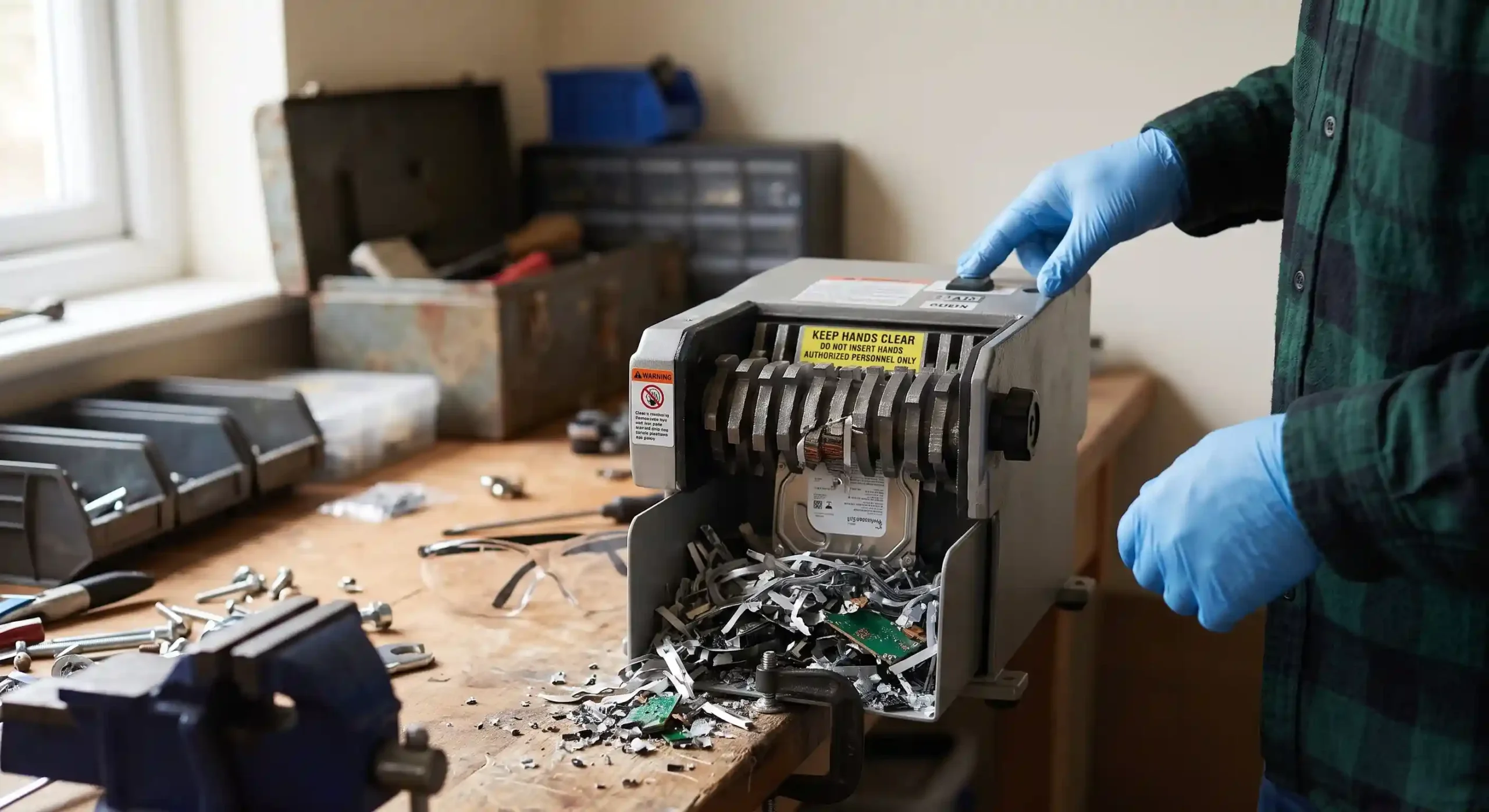
Professional data destruction services use approved methods such as data erasure, hard drive shredding, and physical destruction to ensure information cannot be recovered.
Meeting UK GDPR Requirements
Under the UK GDPR and Data Protection Act 2018, organisations remain responsible for personal data throughout its lifecycle.
A GDPR compliant IT disposal strategy helps organisations:
- Reduce compliance risks
- Protect customer information
- Maintain data security standards
- Demonstrate accountability
Failure to securely dispose of data-bearing devices may result in regulatory issues and reputational damage.
Supporting Sustainability Goals
Sustainability is becoming increasingly important for UK businesses.
Rather than sending devices to landfill, IT equipment recycling and refurbishment programmes support:
- Circular economy initiatives
- Waste reduction
- Resource recovery
- Carbon reduction goals
Responsible electronic waste disposal helps organisations improve their environmental performance while reducing e-waste.
UK Laws and Regulations for IT Equipment Disposal
Several regulations govern IT equipment disposal UK activities.
Understanding UK GDPR and Data Protection Requirements
Any device containing personal information must be handled securely throughout the disposal process.
A compliant provider should offer:
- Secure data wiping
- Certified data destruction
- Audit trails
- Asset tracking
- Chain of custody documentation
These measures support GDPR compliant data destruction and help organisations demonstrate compliance.
WEEE Regulations Explained
The Waste Electrical and Electronic Equipment (WEEE) Regulations establish rules for handling electronic waste.
WEEE compliance requires businesses to:
- Dispose of electronic equipment responsibly
- Prevent harmful environmental impact
- Use authorised recycling facilities
- Maintain appropriate records where required
Businesses searching for how can I dispose of old IT equipment UK should ensure their provider follows WEEE requirements.
Environmental Duty of Care
UK businesses have a legal responsibility to ensure waste is managed appropriately.
This includes:
- Safe transportation
- Proper recycling procedures
- Documentation and reporting
- Responsible downstream processing
Professional providers of IT disposal services help organisations meet these obligations.
Types of IT Equipment That Require Secure Disposal
Many organisations underestimate the number of devices containing sensitive information.
Laptop and Computer Disposal
Secure laptop disposal UK and computer disposal UK services help organisations retire devices safely.
These devices often contain:
- Business files
- Email archives
- Customer databases
- Employee information
Proper disposal includes secure data erasure and certified recycling.
Server Disposal and Data Centre Equipment
Servers typically store large volumes of sensitive data.
Professional server disposal UK services include:
- Asset auditing
- Data destruction
- Secure logistics
- Component recycling
This is particularly important during infrastructure upgrades and data centre decommissioning projects.
Hard Drive Disposal and Destruction
Hard drives require specialised treatment.
Common methods include:
- Certified data erasure
- Degaussing
- Physical destruction
- Hard drive shredding
Many businesses specifically request hard drive destruction services to eliminate any possibility of data recovery.
Mobile Phones, Tablets and Networking Equipment
Organisations should also securely dispose of:
- Smartphones
- Tablets
- Firewalls
- Switches
- Routers
- Network storage devices
These assets may contain confidential company information and should be included within an overall IT asset disposal strategy.
What Is IT Asset Disposal (ITAD)?
IT Asset Disposal (ITAD) refers to the structured process of managing retired IT assets securely and responsibly.
Often called IT asset disposition, ITAD combines:
- Data destruction
- Asset tracking
- Refurbishment
- Recycling
- Compliance management
How ITAD Services Work
Professional ITAD services UK typically follow a documented process that includes:
- Asset collection
- Inventory creation
- Data sanitisation
- Equipment testing
- Asset remarketing
- Recycling
- Reporting and certification
Benefits of Professional IT Asset Disposal
Using professional IT asset disposal services provides:
- Stronger security controls
- Regulatory compliance
- Environmental responsibility
- Improved reporting
- Potential asset value recovery
Step-by-Step IT Equipment Disposal Process
Businesses frequently ask how to dispose of old IT equipment safely. The following process represents industry best practice.
Asset Inventory and Auditing
The first stage involves identifying and recording all equipment.
Effective IT asset management ensures:
- Complete asset visibility
- Accurate reporting
- Reduced risk of missing devices
Secure Data Erasure and Data Destruction
Before equipment leaves a facility, all data should be removed using approved techniques.
This may include:
- Data erasure services
- Degaussing
- Physical destruction
- SSD destruction
The chosen method depends on security requirements and device type.
Collection, Transportation and Chain of Custody
Maintaining a documented chain of custody is essential.
Secure logistics procedures ensure equipment remains protected during transportation and processing.
Recycling, Refurbishment and Asset Remarketing
Many retired devices retain residual value.
Professional providers may:
- Refurbish equipment
- Resell assets
- Recover components
- Recycle materials
This approach supports IT equipment recycling for companies while helping reduce environmental impact.
Certificate of Destruction and Reporting
Following disposal, organisations should receive documentation confirming completed services.
A certificate of destruction provides evidence that data and equipment have been processed appropriately.
IT Asset Disposal vs IT Equipment Recycling
| IT Asset Disposal (ITAD) | IT Equipment Recycling |
| Focuses on security and compliance | Focuses on material recovery |
| Includes data destruction | May not include data destruction |
| Supports asset remarketing | Primarily recycling-focused |
| Includes reporting and auditing | Limited reporting |
| Suitable for business assets | Suitable for end-of-life electronics |
While related, IT asset disposal provides a more comprehensive service than standard IT equipment recycling.
How to Choose the Best IT Disposal Company in the UK
With many IT equipment disposal companies operating across the country, selecting the right provider is essential.
Certifications to Look For
Choose providers with recognised certifications such as:
- ISO 27001
- ISO 14001
- ISO 9001
These certifications demonstrate commitment to quality, security, and environmental management.
Data Destruction Standards
A reputable provider should offer:
- Secure hard drive destruction UK services
- Data sanitisation
- Audit reporting
- Chain of custody controls
Collection and Nationwide Coverage
Whether you require IT equipment disposal London, IT equipment disposal Devon, or services elsewhere in the UK, ensure the provider offers reliable nationwide collections and secure transportation.
Common IT Equipment Disposal Mistakes Businesses Make
Disposing of Devices Without Data Erasure
Deleting files is not enough. Data can often be recovered unless professional destruction methods are used.
Ignoring WEEE Regulations
Failure to meet WEEE compliance obligations can create environmental and legal risks.
Choosing Uncertified Providers
Working with uncertified suppliers may increase security and compliance concerns.
Always verify credentials before selecting an IT disposal company UK.
Benefits of Professional ITAD Services
Improved Security and Compliance
Professional ITAD providers implement secure processes that support GDPR compliant IT asset disposal.
Environmental Responsibility
Responsible recycling helps organisations reduce waste and support sustainability initiatives.
Cost Savings Through Asset Recovery
Remarketing and refurbishment programmes can recover value from retired equipment, reducing overall disposal costs.
Conclusion: Building a Secure and Compliant IT Equipment Disposal Strategy
Effective IT equipment disposal UK practices protect sensitive information, support environmental goals, and help organisations meet legal obligations. Whether you need assistance with IT equipment disposal London, IT equipment disposal Devon, or nationwide services, working with a trusted ITAD provider ensures equipment is handled securely from collection through final processing.
By combining secure data destruction, WEEE-compliant recycling, asset tracking, and detailed reporting, businesses can confidently manage end-of-life IT equipment while reducing risk and maximising value recovery.
Frequently Asked Questions About IT Equipment Disposal
What is IT equipment disposal?
IT equipment disposal is the secure process of retiring, recycling, remarketing, or destroying outdated technology assets while protecting sensitive data and meeting regulatory requirements.
How do businesses dispose of IT equipment?
Businesses typically use certified ITAD providers that offer collection, auditing, data destruction, recycling, and reporting services.
Is IT equipment covered by WEEE regulations?
Yes. Most electronic equipment falls under WEEE regulations and must be managed through authorised disposal and recycling processes.
How do I securely dispose of old computers?
Use a provider that offers certified data destruction, asset tracking, and secure recycling services.
What is IT asset disposal (ITAD)?
ITAD refers to the secure management of retired technology assets, including data destruction, refurbishment, recycling, and compliance reporting.
How is data destroyed before disposal?
Methods may include certified data erasure, degaussing, physical destruction, and hard drive shredding.
What certifications should an ITAD provider have?
ISO 27001, ISO 14001, and ISO 9001 are commonly recognised certifications.
Can businesses recycle IT equipment?
Yes. Many organisations use professional IT recycling services to refurbish, remarket, or recycle equipment responsibly.
What happens to disposed IT assets?
Depending on condition, assets may be reused, refurbished, remarketed, or recycled.
Is a factory reset enough before disposal?
No. A factory reset alone may not completely remove data. Professional data destruction methods provide greater security.
X Recycling Ltd
46 Jellicoe Rd, Leicester LE5 4FN
Phone: 02034757578